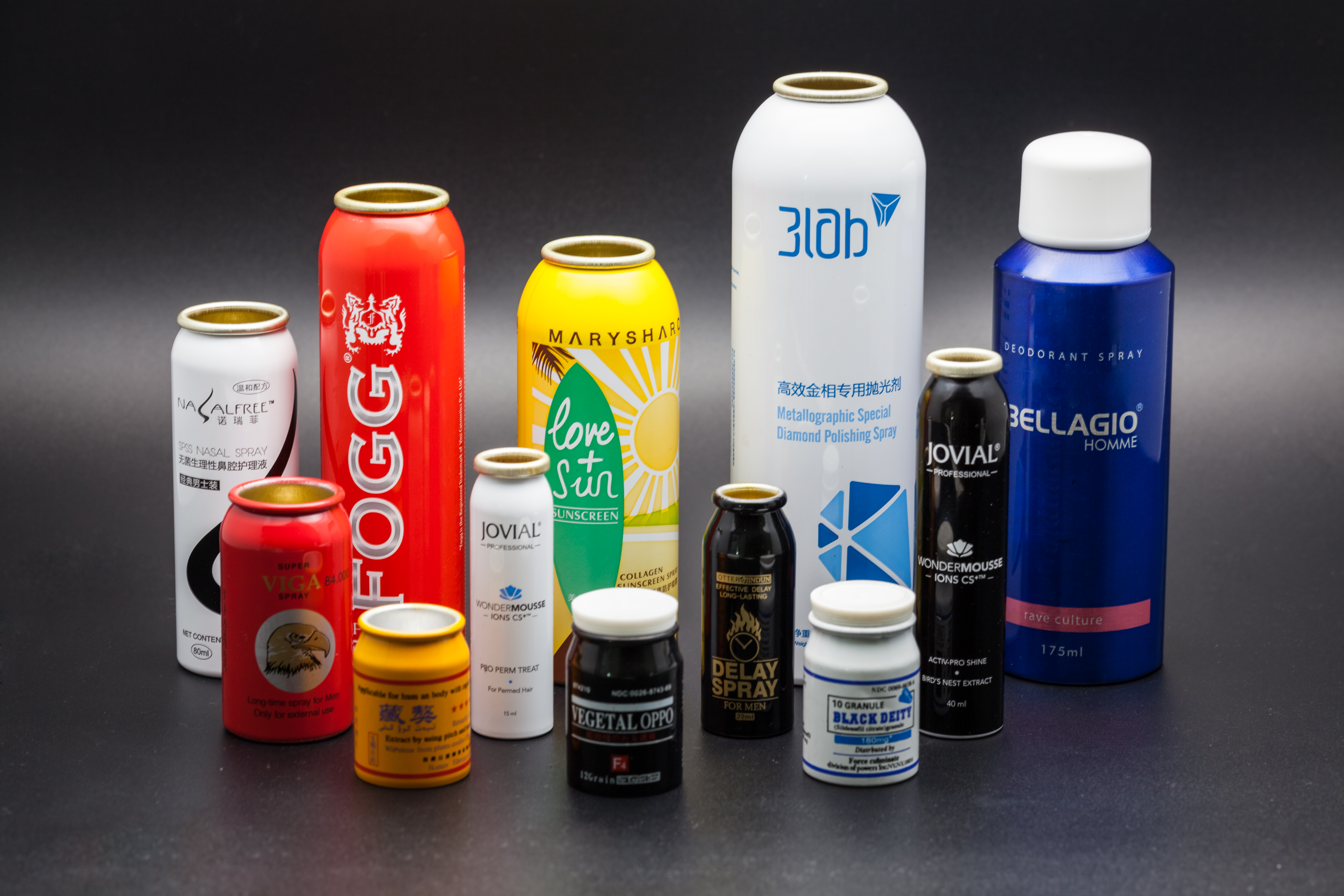
Nekompromisní standardy kvality zajišťující bezpečnost a spolehlivost výkonu
Procesy zajištění kvality při výrobě OEM aerosolových plechovek odrážejí přísné požadavky na bezpečnost a výkon, které jsou nezbytné pro výrobky dodávané pod tlakem. Každá fáze výroby je podrobena důkladným kontrolním protokolům, které začínají ověřením surovin, aby se zajistilo, že kovové složení splňuje stanovené třídy a tloušťky schopné odolat vnitřnímu tlaku bez deformace či poruchy. Výrobní zařízení vyrábějící OEM aerosolové plechovky používají automatizované systémy kontroly kvality, které neustále monitorují kritické parametry a detekují rozměrové odchylky, nepravidelnosti povlaku nebo strukturální anomálie, jež by mohly ohrozit celistvost nádoby. Tlakové zkoušky představují nepodmíněnou kontrolní fázi kvality, při níž každá šarže OEM aerosolových plechovek podstupuje hydraulické nebo pneumatické zkoušky při tlacích převyšujících běžné provozní podmínky, čímž se ověřuje strukturální pevnost a identifikují se potenciální slabá místa ještě před tím, než produkty vstoupí do plnících operací. Systémy detekce úniku využívají sofistikované metodiky, včetně zkoušek poklesu vakua, héliové hmotnostní spektrometrie a zkoušek ponořením do vody, které dokážou odhalit i mikroskopické nedostatky těsnění, jež by mohly vést ke ztrátě obsahu nebo kontaminaci. Zkoušky funkčnosti ventilu zajišťují konzistentní sílu stlačení, správné rozprašovací vzory a spolehlivé těsnění po celou dobu očekávané životnosti výrobku; zrychlené stárnutí simulující roky skladovacích podmínek umožňuje předpovědět dlouhodobou spolehlivost. Hodnocení adheze povlaku a odolnosti vůči korozi podrobuje OEM aerosolové plechovky náročným environmentálním podmínkám, jako jsou zkoušky postřikem solným roztokem, cyklické změny vlhkosti a expozice chemikáliím, čímž se ověřuje, že ochranné vrstvy zachovávají svou celistvost za náročných podmínek. Zkoušky pádu a odolnosti vůči nárazu napodobují zátěž během distribuce a zajišťují, že nádoby vydrží typické manipulační scénáře bez vzniku vrypů, úniku nebo poruchy rozprašovací funkce. Měření rozměrové přesnosti ověřují, že OEM aerosolové plechovky udržují stanovené tolerance nezbytné pro kompatibilitu s automatickými plnícími linkami a správné nasazení komponentů. Studie chemické kompatibility hodnotí interakce mezi materiály nádoby a konkrétními formulacemi, čímž se předchází degradačním reakcím, které by mohly ovlivnit stabilitu výrobku nebo vyvolat bezpečnostní rizika. Ověření souladu s předpisy zajišťuje, že OEM aerosolové plechovky splňují příslušné normy, včetně předpisů DOT pro přepravu, mezinárodních požadavků na přepravu a trhu specifických směrnic pro balení. Systémy sledovatelnosti implementované v průběhu celé výroby umožňují rychlé identifikování výrobních šarží a usnadňují cílené opatření v případě vzniku kvalitních problémů, čímž se prokazuje závazek k odpovědnosti. Metodiky statistické regulace procesu umožňují identifikovat trendy ještě před tím, než vedou k vadným výrobkům, a podporují iniciativy pro neustálé zlepšování, které zvyšují konzistenci výroby. Možnosti certifikace třetí stranou poskytují nezávislé ověření kvalitních systémů, čímž zákazníkům poskytují dodatečnou jistotu ohledně integritu výroby OEM aerosolových plechovek a prokazují závazek k průmyslovým osvědčeným postupům.

 EN
EN