طباعة علب الرذاذ الأحادية
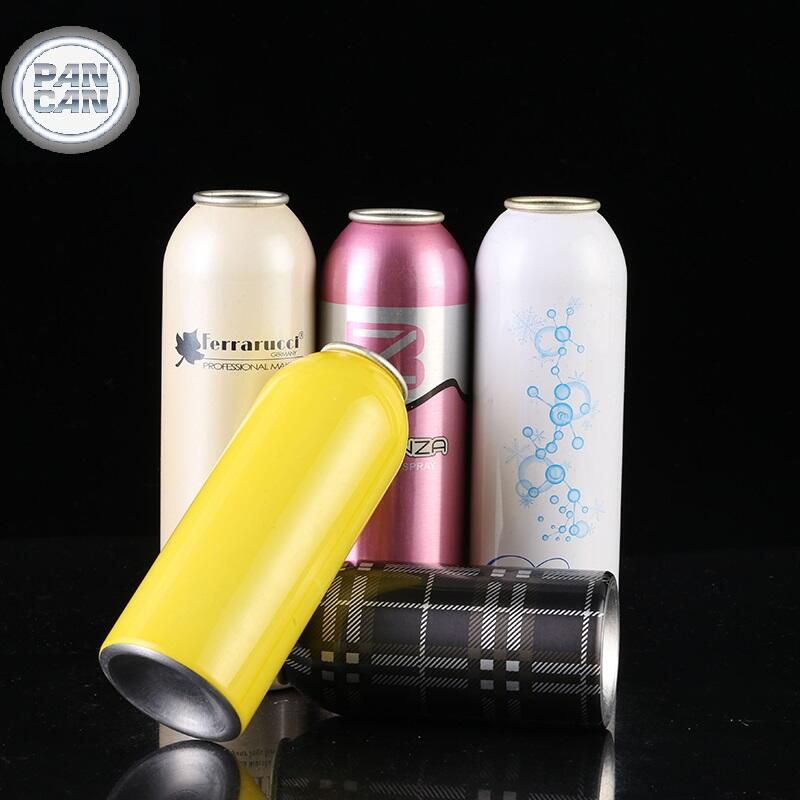
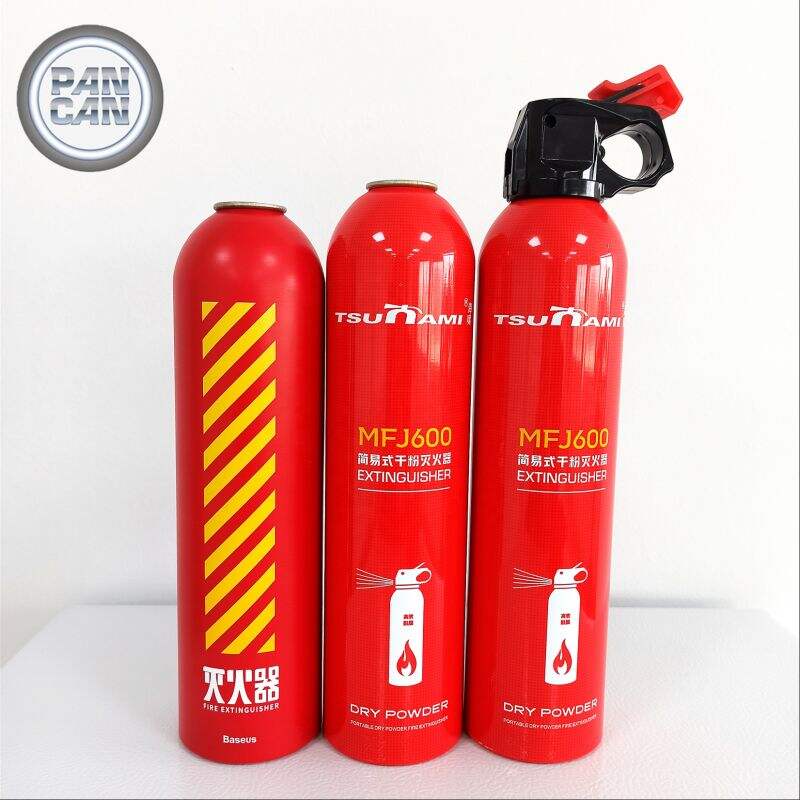
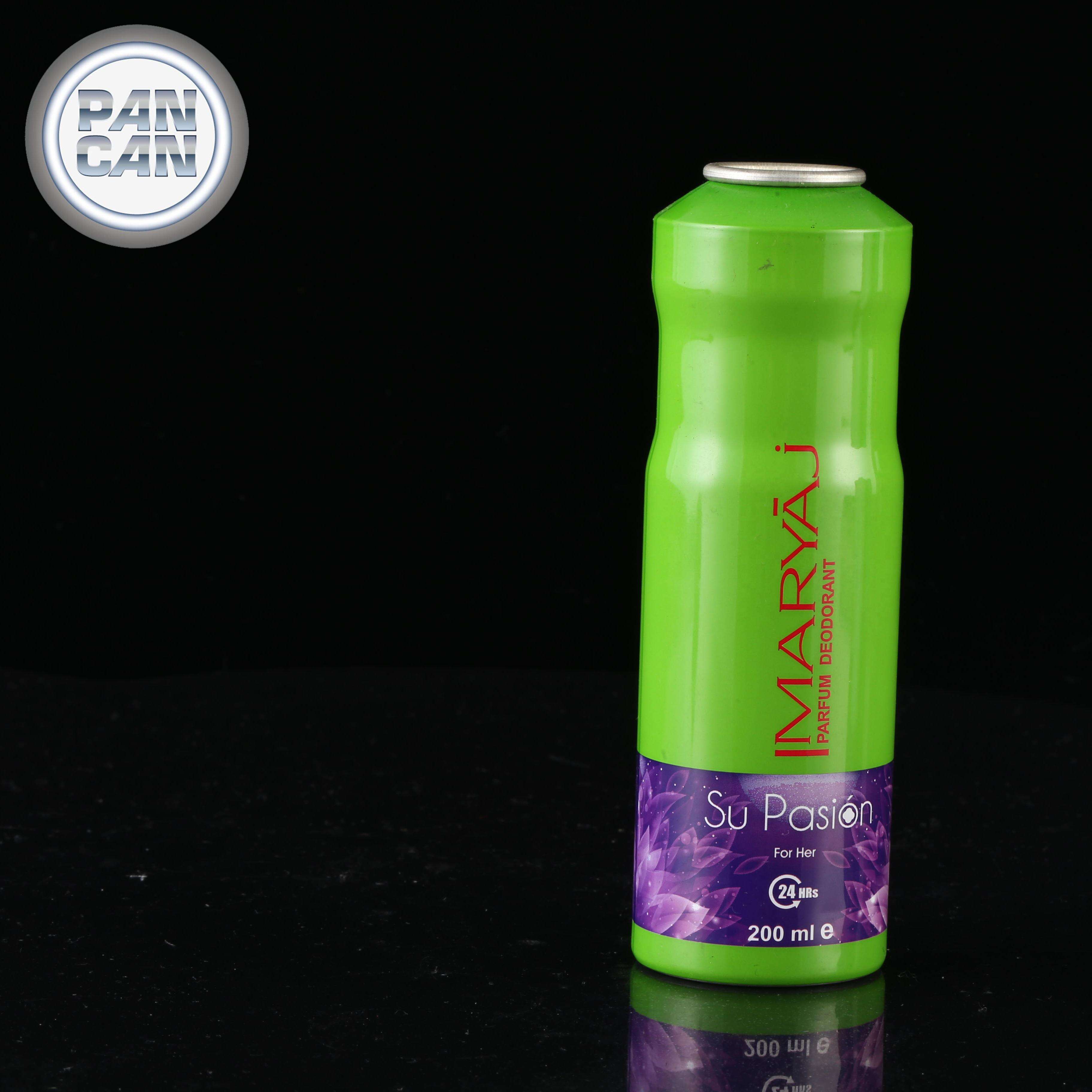
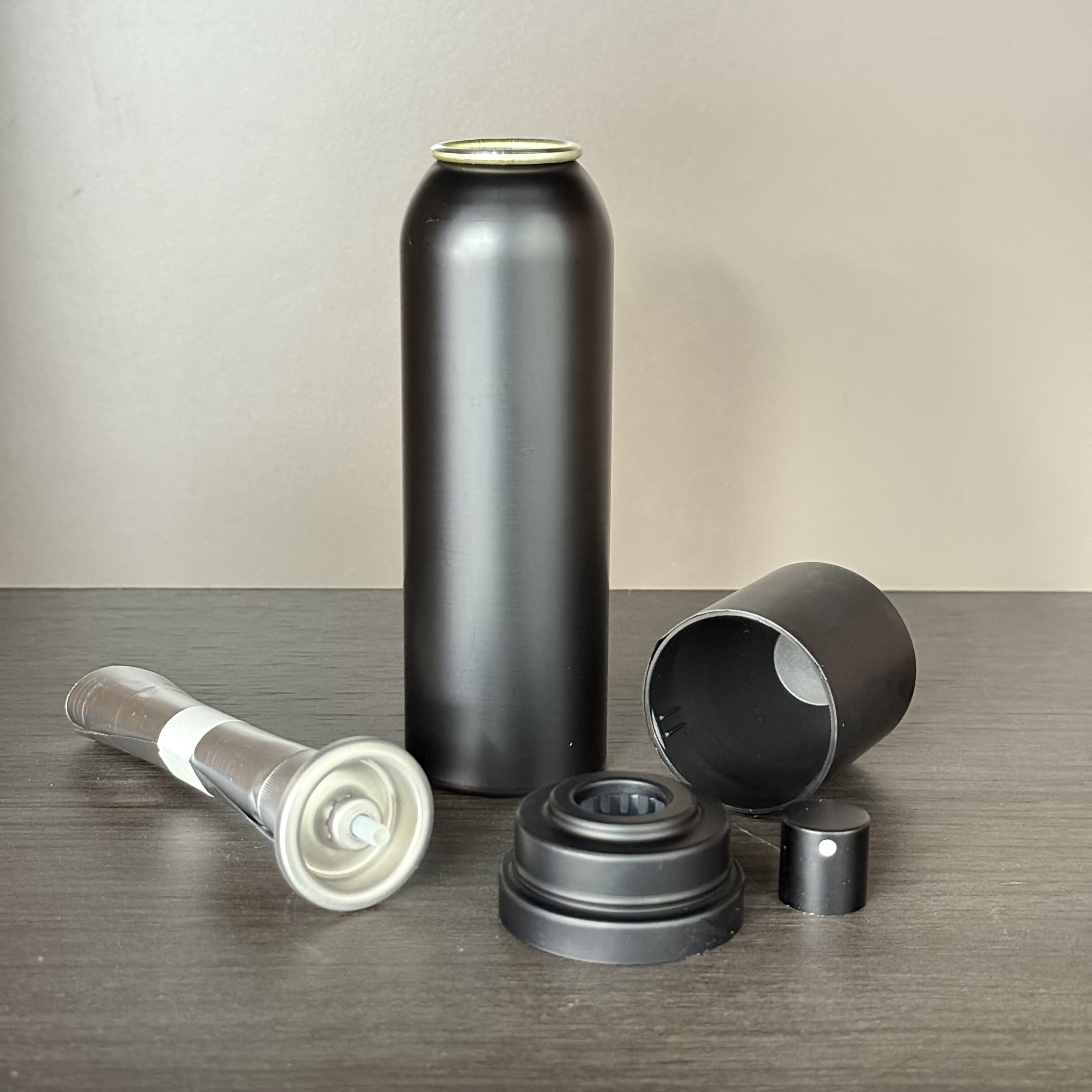
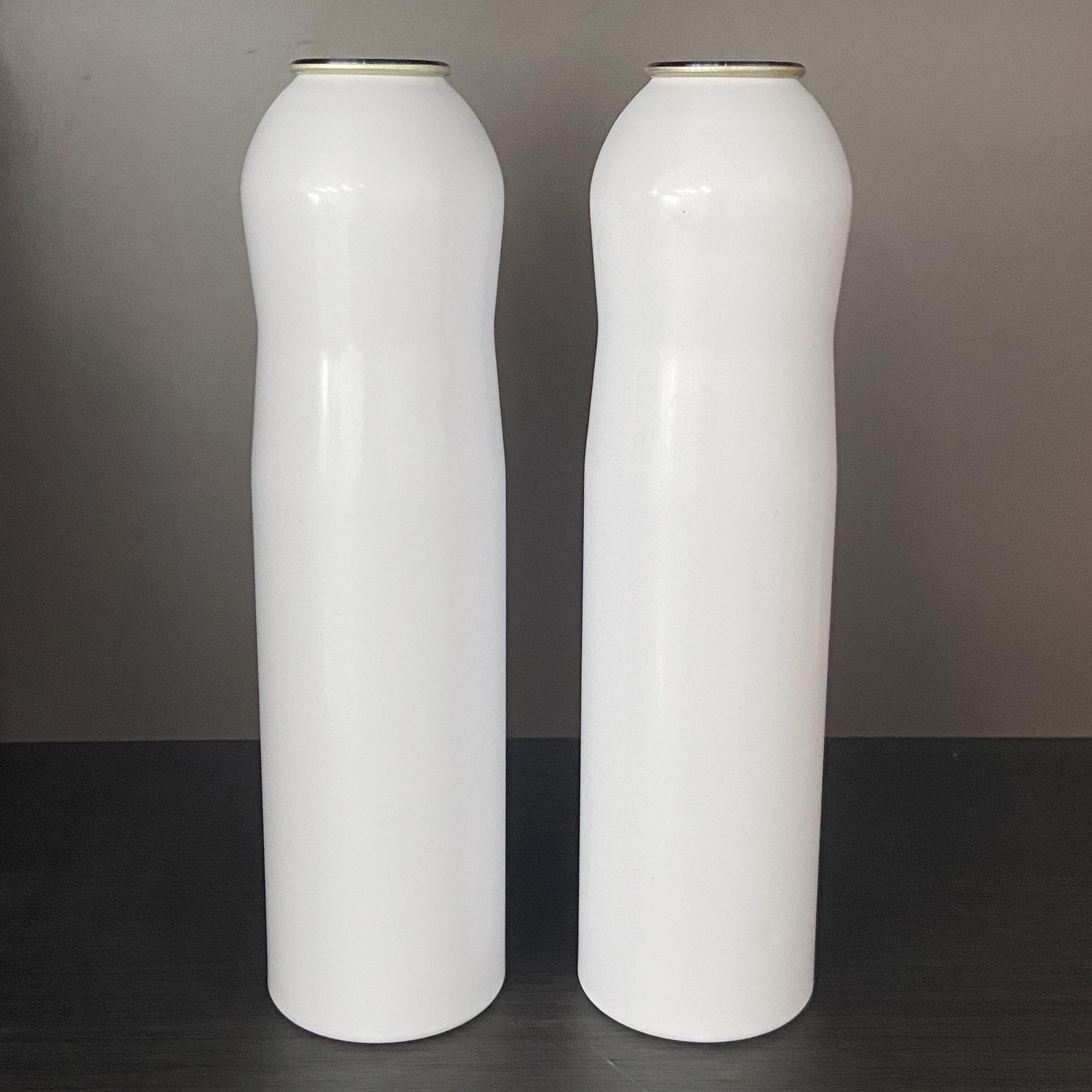
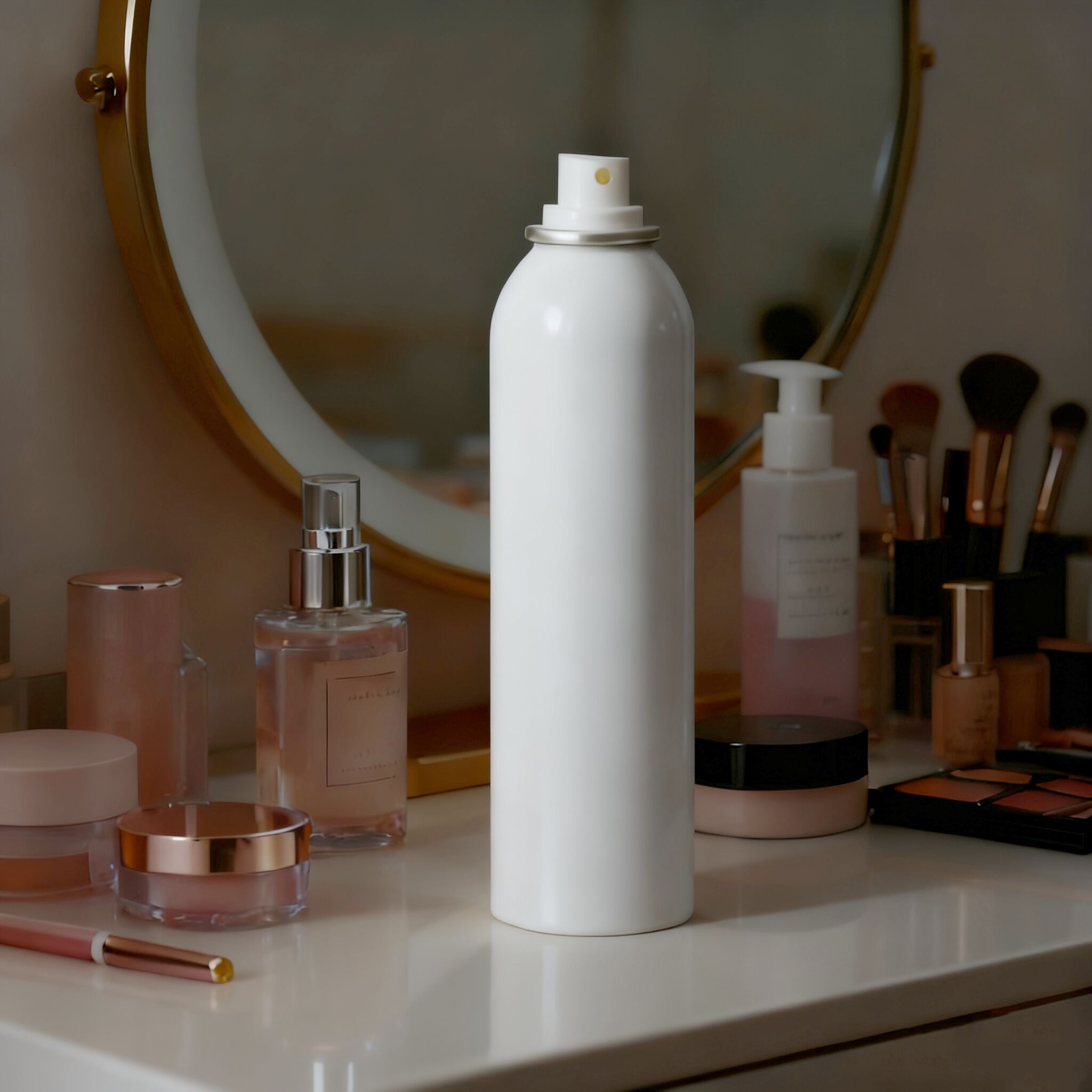
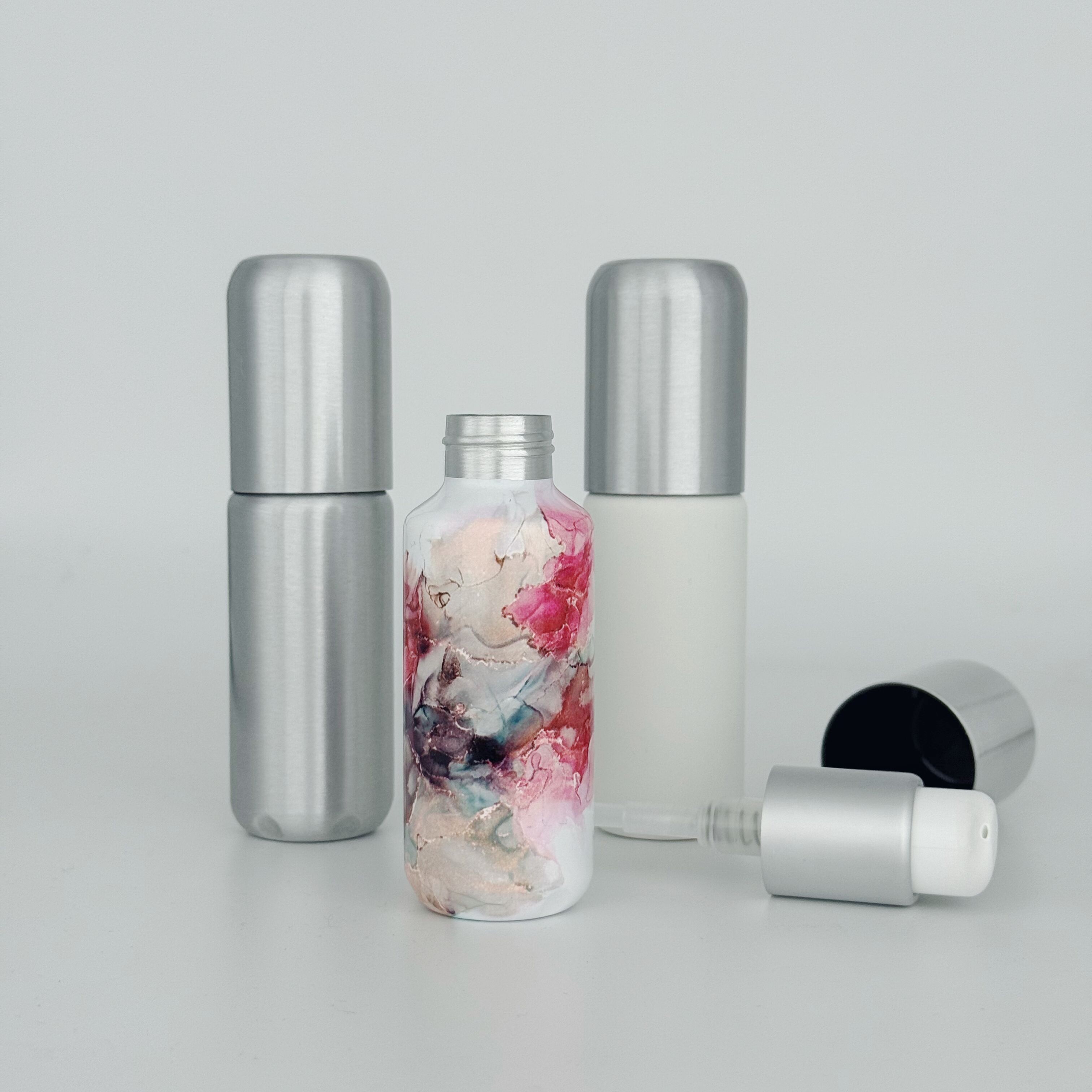
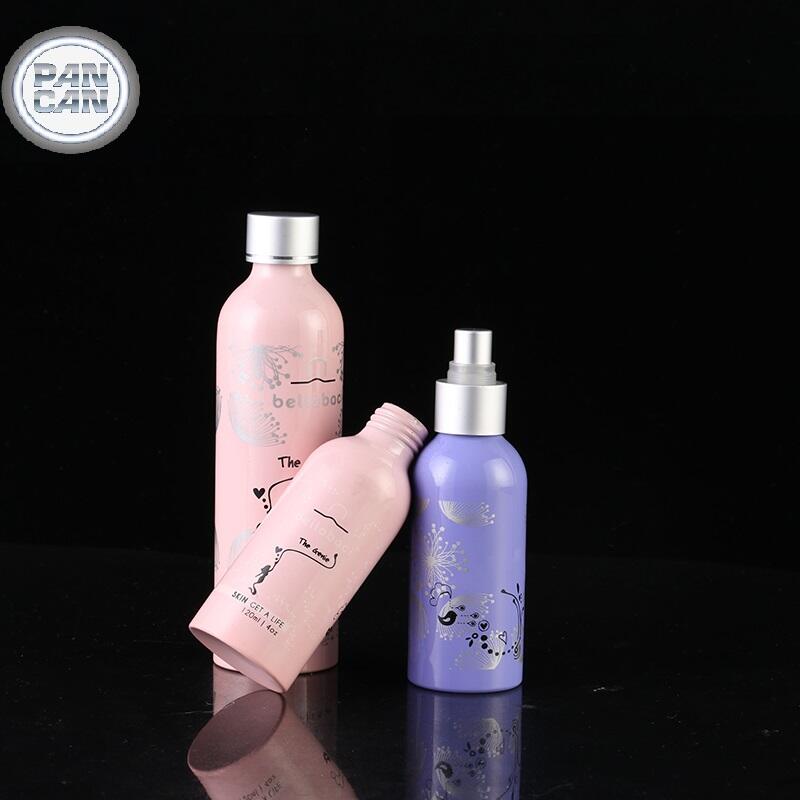
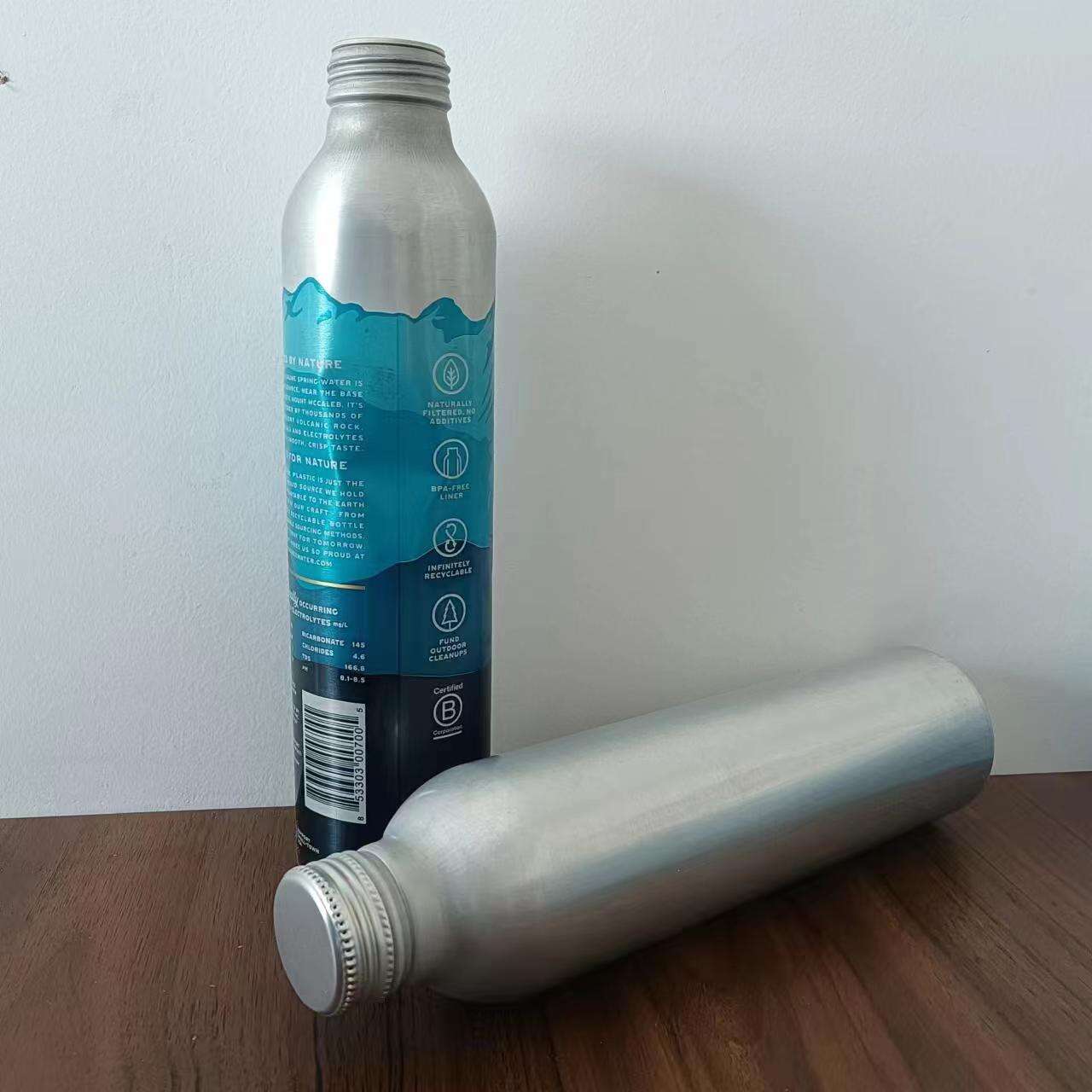
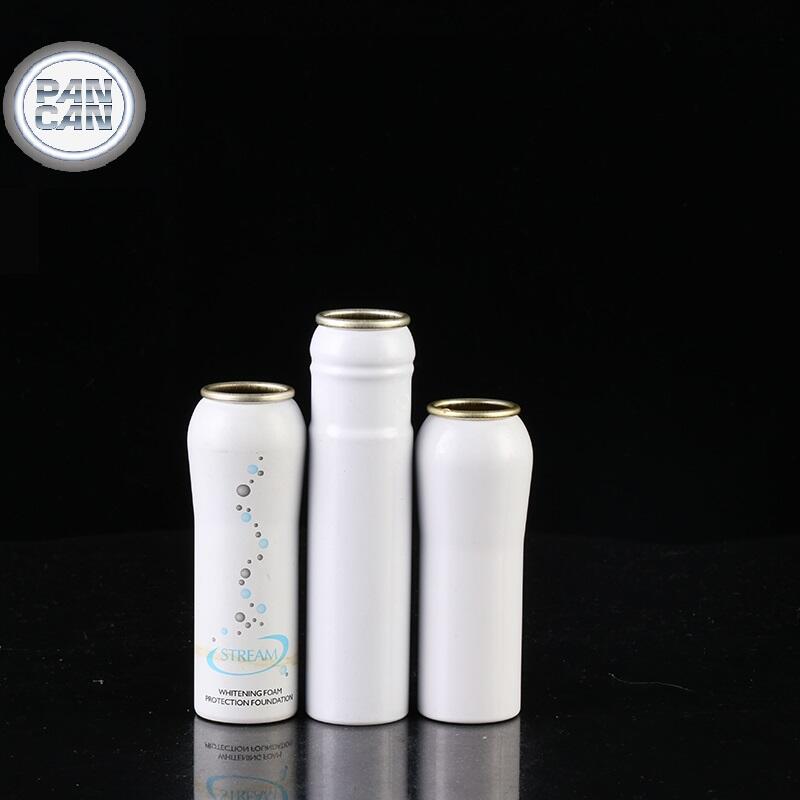
يمثل طباعة علب الأيروسول المصنوعة من قطعة واحدة (Monobloc) تقدّمًا ثوريًّا في تزيين العبوات الألومنيومية السلسة المستخدمة عبر قطاعات صناعية عديدة. وتُطبِّق هذه التكنولوجيا الخاصة في الطباعة رسوماتٍ عالية الجودة ونصوصًا وعلامات تجاريةً مباشرةً على السطح المنحني لعلب الأيروسول المصنوعة من قطعة واحدة من الألومنيوم دون أي لحامات. وتتمثل الوظيفة الرئيسية لطباعة علب الأيروسول المصنوعة من قطعة واحدة في تحويل العبوات المعدنية البسيطة إلى منتجات جذّابة بصريًّا تلفت انتباه المستهلكين، وفي الوقت نفسه تنقل معلومات المنتج الأساسية وهوية العلامة التجارية. وتشمل الميزات التكنولوجية لطباعة علب الأيروسول المصنوعة من قطعة واحدة تقنيات متقدمة في الطباعة الأوفست الحجرية، وأحبارًا خاصةً تُشفَّى بالأشعة فوق البنفسجية (UV-curable inks)، وماكينات دقيقة قادرة على التعامل مع الشكل الأسطواني لعلب الأيروسول. وتستخدم أنظمة طباعة علب الأيروسول المصنوعة من قطعة واحدة الحديثة القدرة على الطباعة المتعددة الألوان، والتي تتراوح عادةً بين أربعة وثمانية ألوان، ما يمكّن المصنّعين من إعادة إنتاج التصاميم المعقدة بدقة استثنائية وحيويةٍ فائقة. ويبدأ هذا العملية بمعالجة سطح الألومنيوم مبدئيًّا لضمان التصاق مثالي للحبر، ثم تليها مرحلة الطباعة التسلسلية لكل طبقة لونية، وتنتهي بوضع طبقة واقية تعزّز المتانة ومقاومة الخدوش والمواد الكيميائية والعوامل البيئية. وتشمل تطبيقات طباعة علب الأيروسول المصنوعة من قطعة واحدة قطاعات سوقية متنوعة، منها منتجات العناية الشخصية مثل مزيلات الروائح ورشاشات الشعر، والمنتجات المنزلية مثل معطّرات الجو ومنظفات الأسطح، والتطبيقات automotive مثل الدهانات والمواد التشحيمية المُرشَّحة، والأيروسولات الصيدلانية، ومحرّكات الغازات المخصصة للأغذية. كما تتيح هذه التكنولوجيا للعلامات التجارية التميّز عن منافسيها على أرفف البيع بالتجزئة المزدحمة من خلال تصاميم ملفتة للنظر، وتأثيرات معدنية، وصور ذات جودة فوتوغرافية. ومع تنامي أهمية الاستدامة، فإن طباعة علب الأيروسول المصنوعة من قطعة واحدة تدعم الأهداف البيئية عبر تزيين عبوات ألومنيوم قابلة لإعادة التدوير يمكن إعادة استخدامها بشكل غير محدود دون انخفاض في الجودة. وقد تطوّرت عملية الطباعة نفسها لتقليل الهدر والحد من الأثر البيئي من خلال استخدام فعّال للأحبار وأنظمة تصلّب توفر الطاقة. ويستفيد المصنعون من القدرة على إنتاج دفعات صغيرة اقتصاديًّا مع الحفاظ على جودة متسقة عبر أحجام إنتاج كبيرة، ما يجعل طباعة علب الأيروسول المصنوعة من قطعة واحدة مناسبةً كلاً من العلامات التجارية الراسخة واللاعبين الجدد في السوق الذين يبحثون عن حلول تغليف احترافية.

 EN
EN