مورد علب الأيروسول الألومنيوم
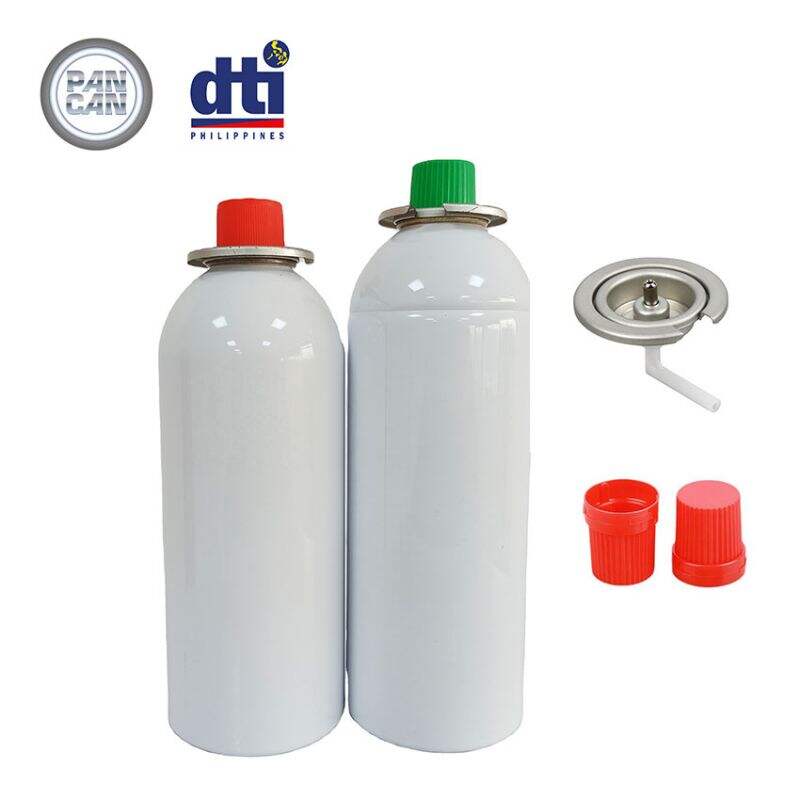
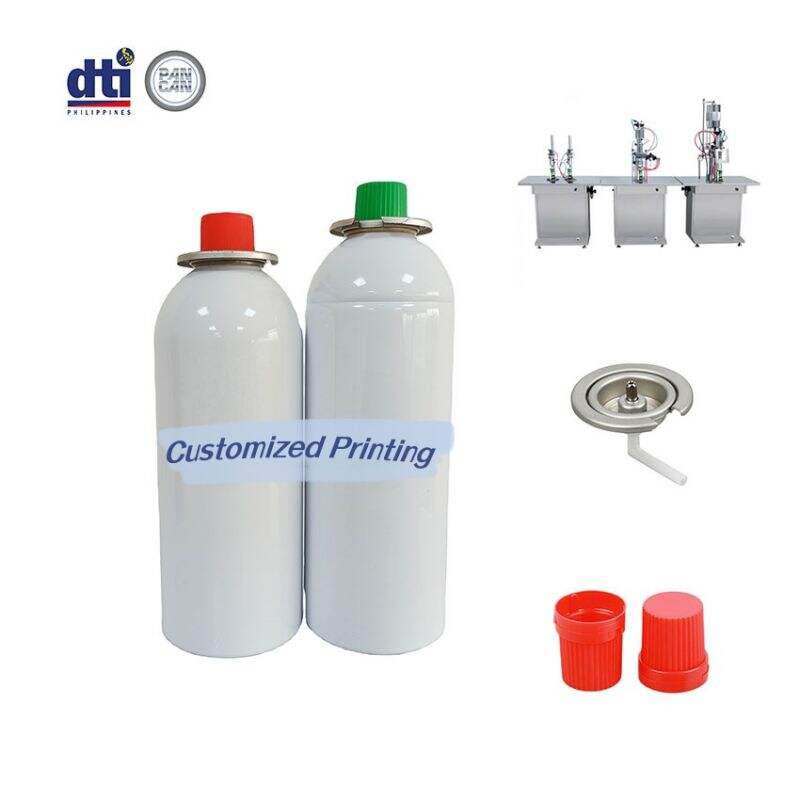
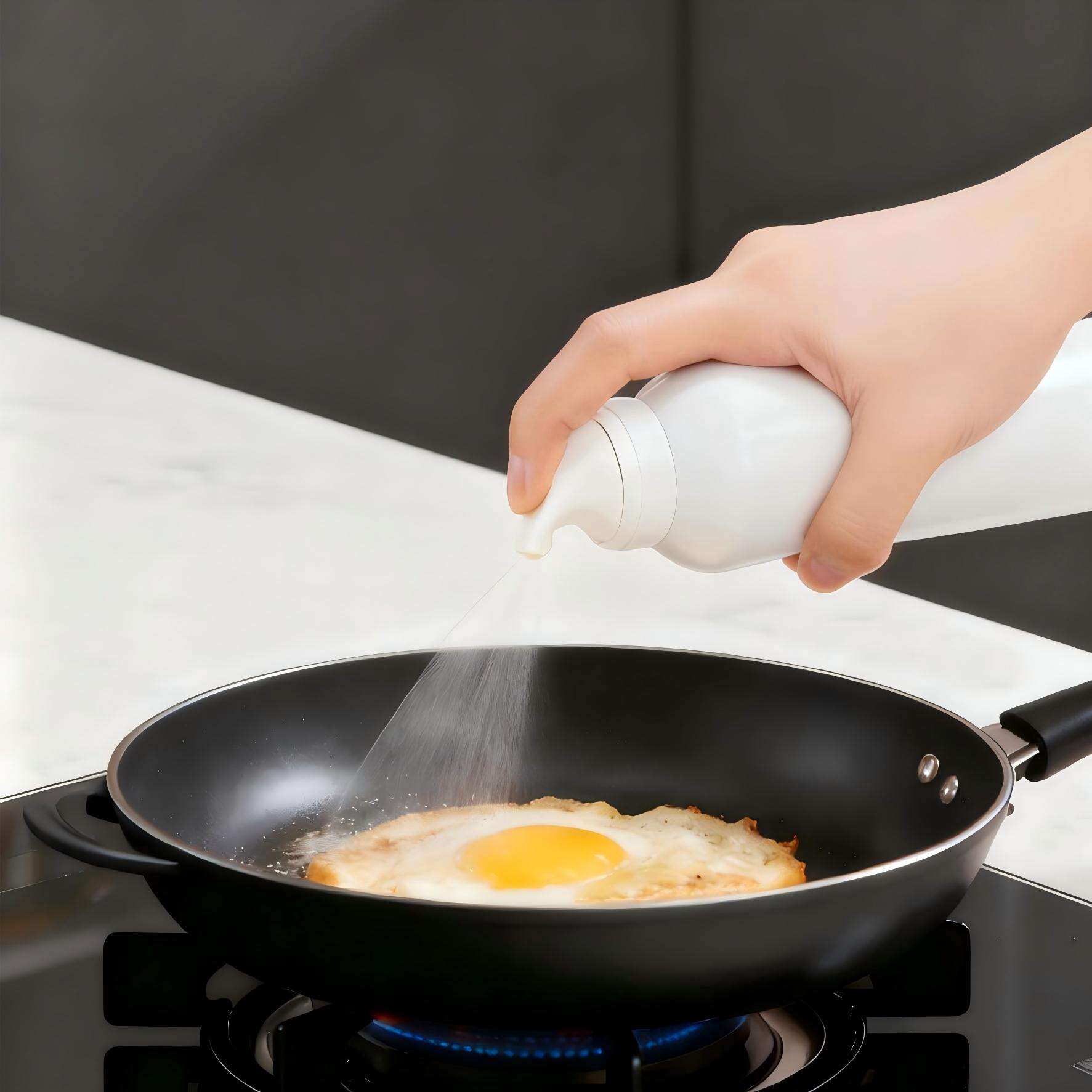
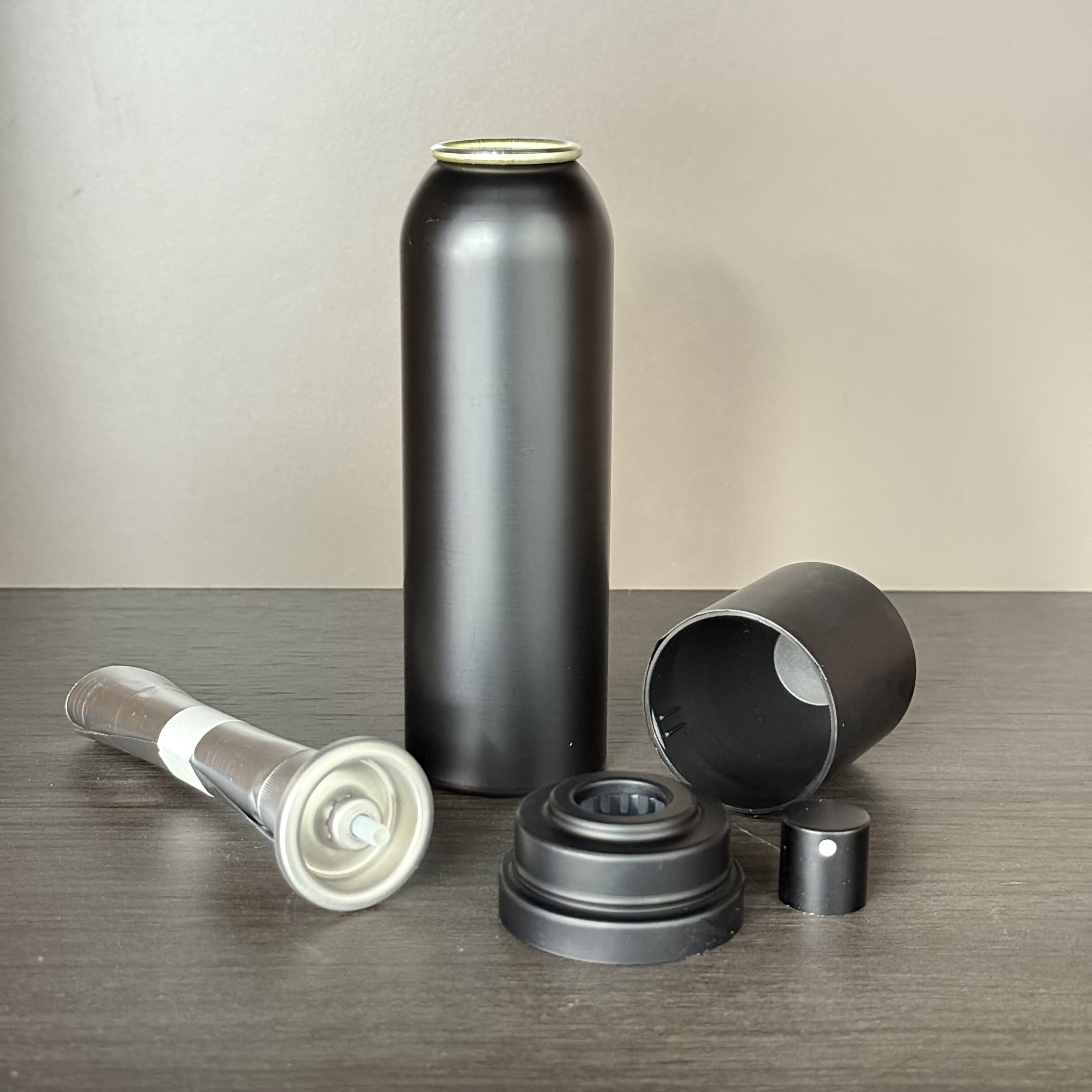
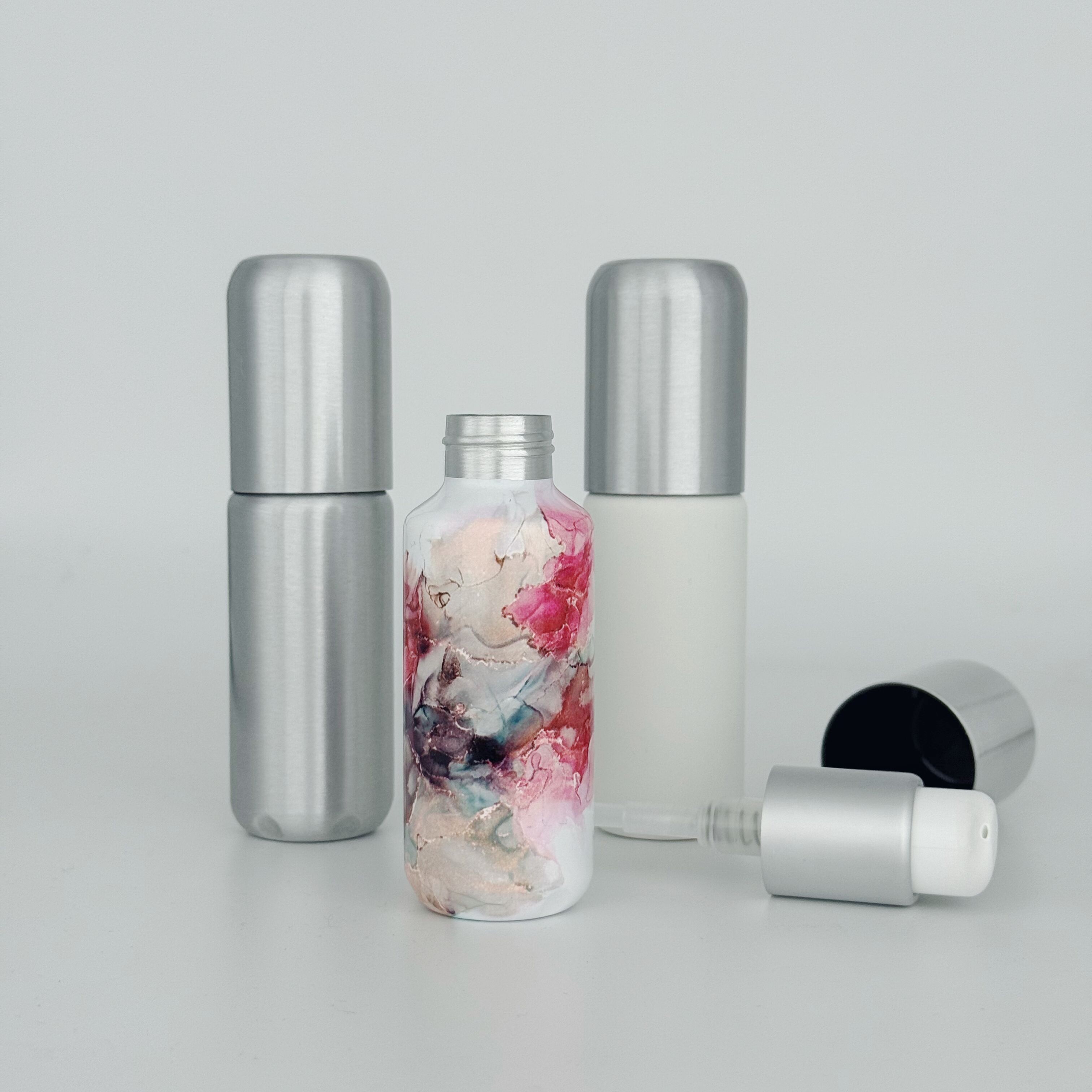
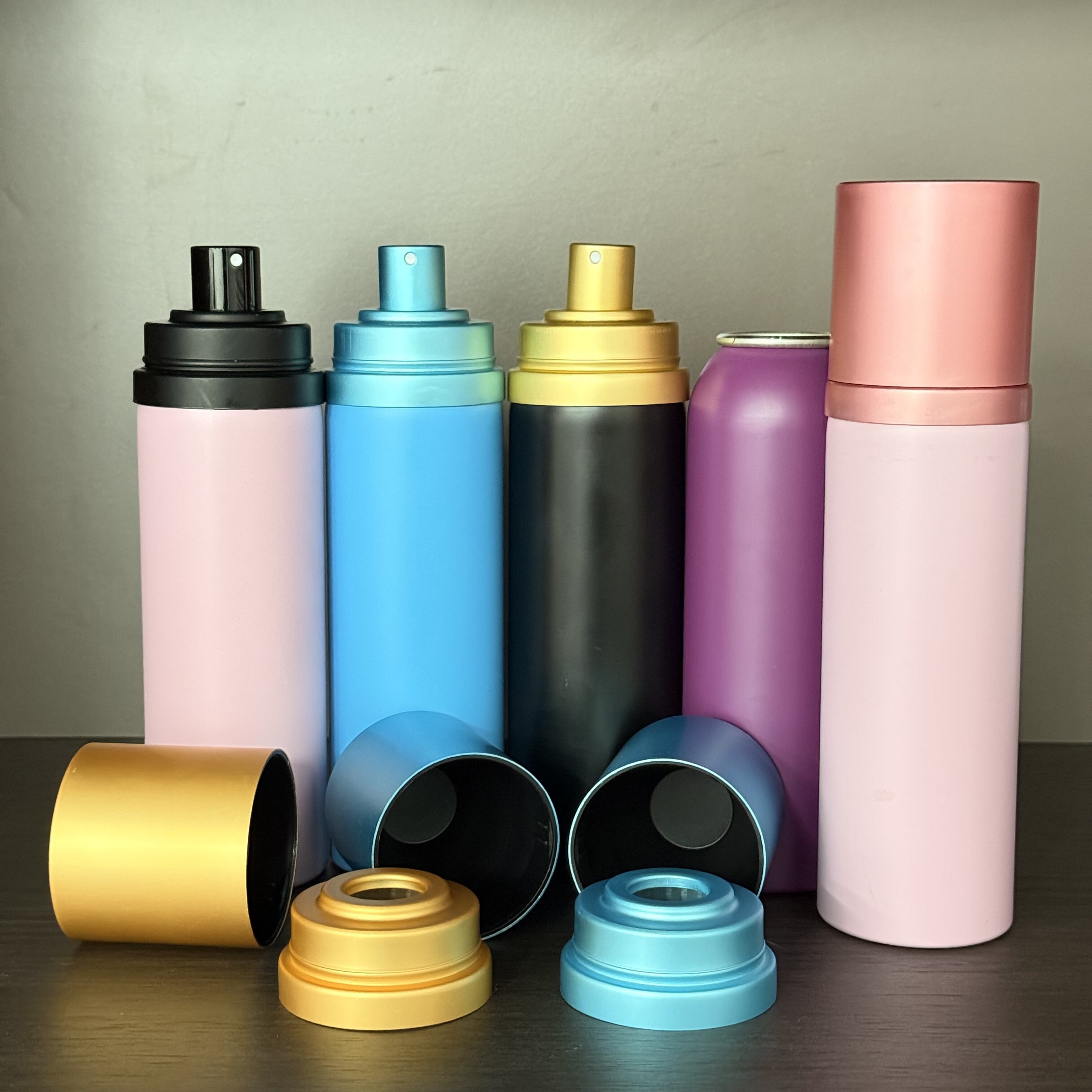
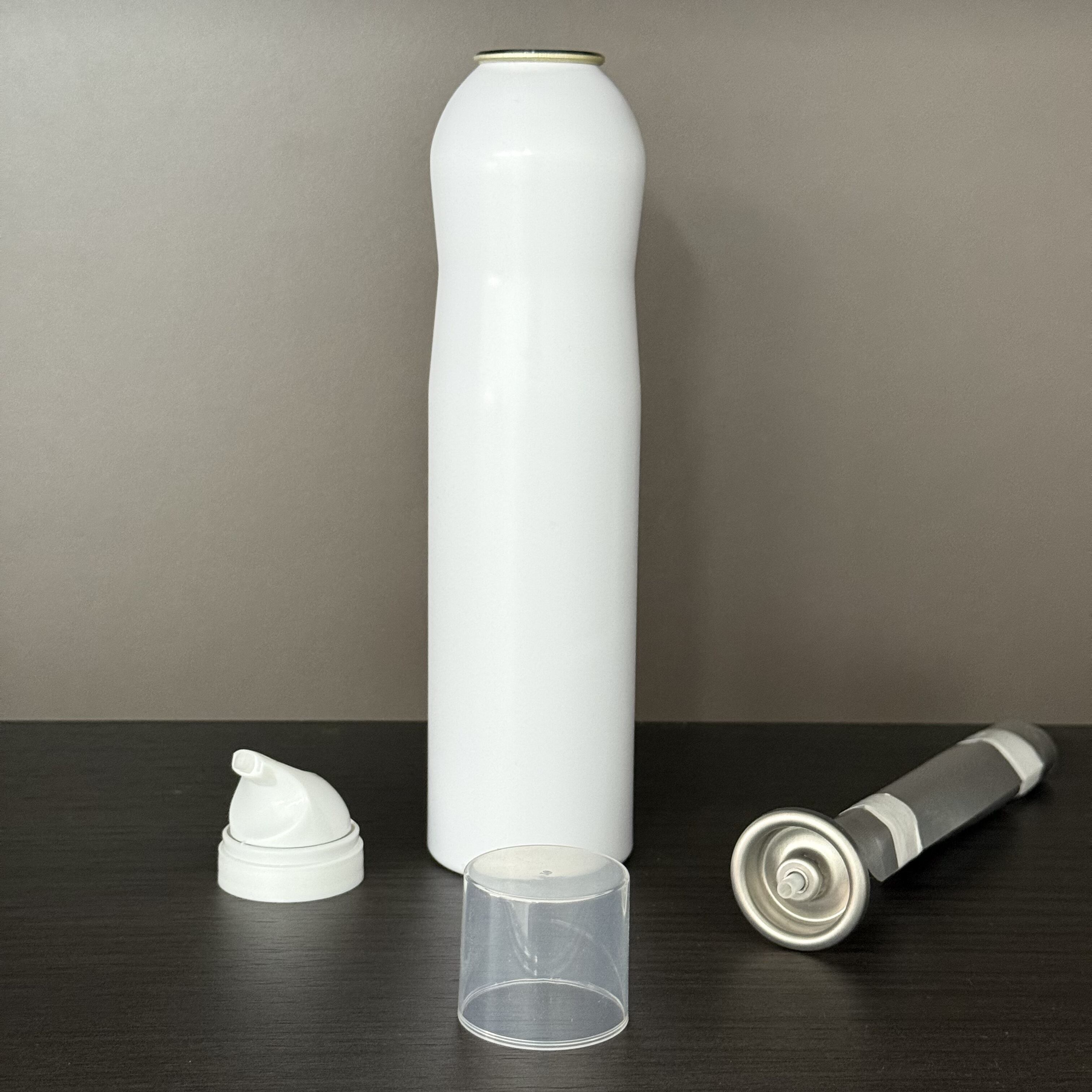
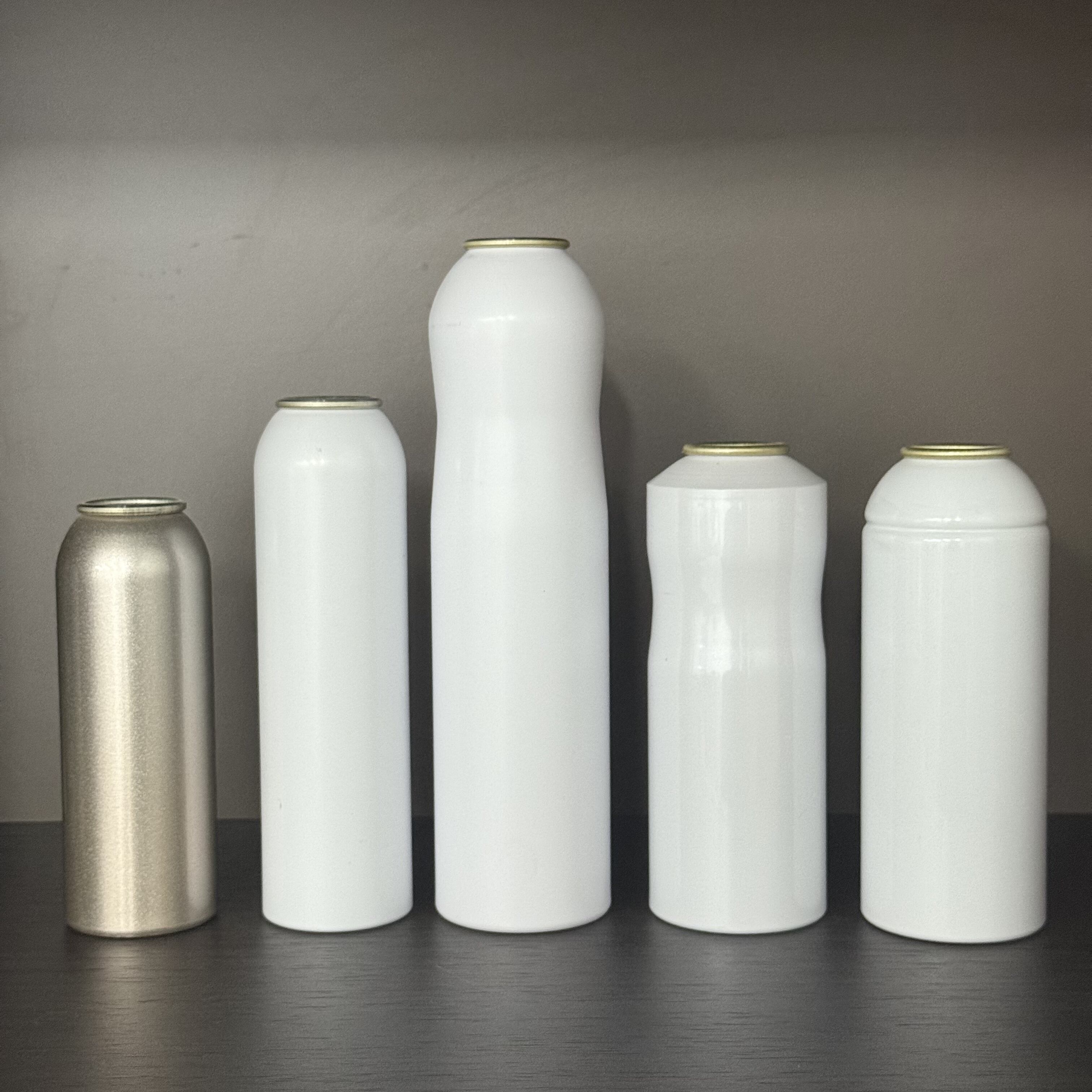
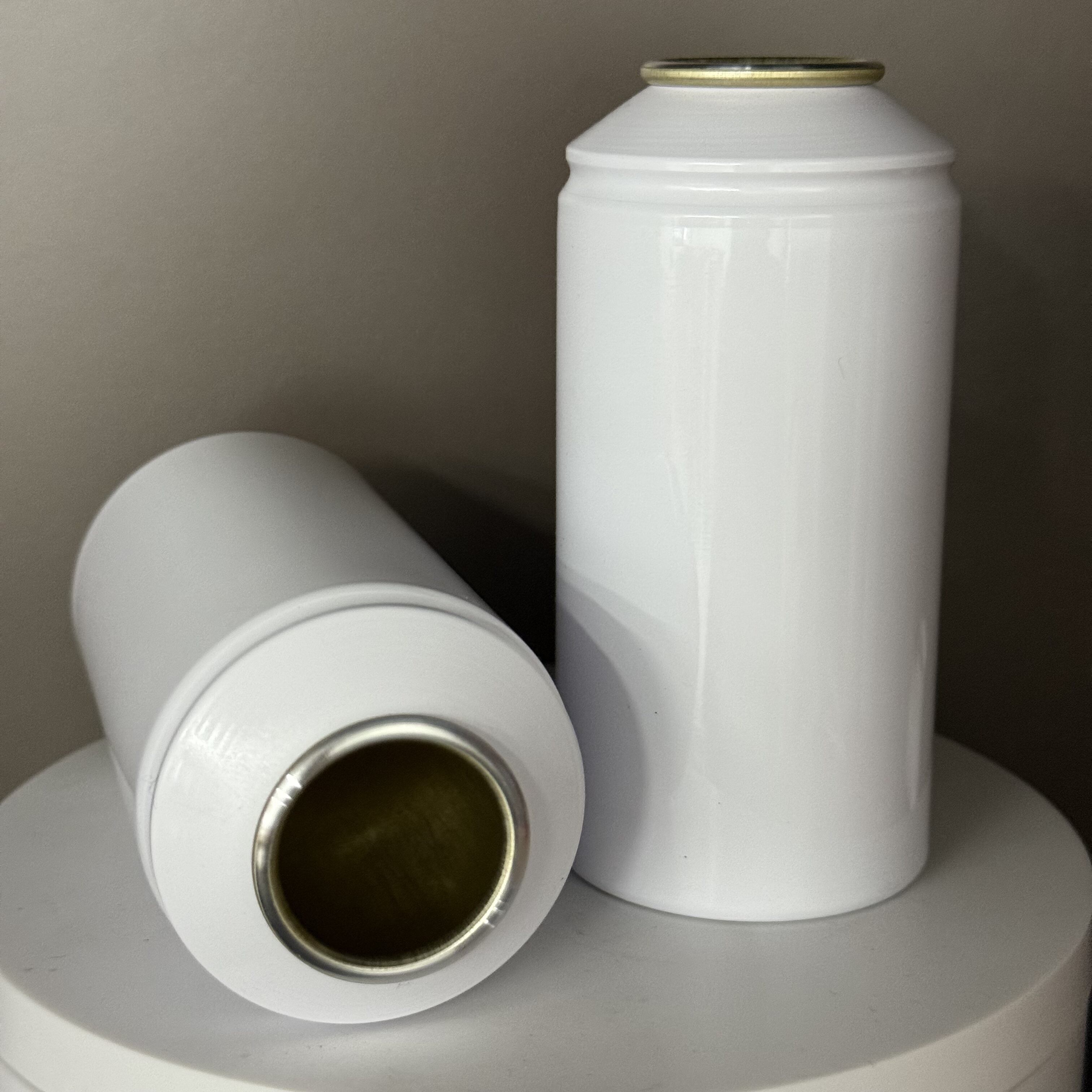
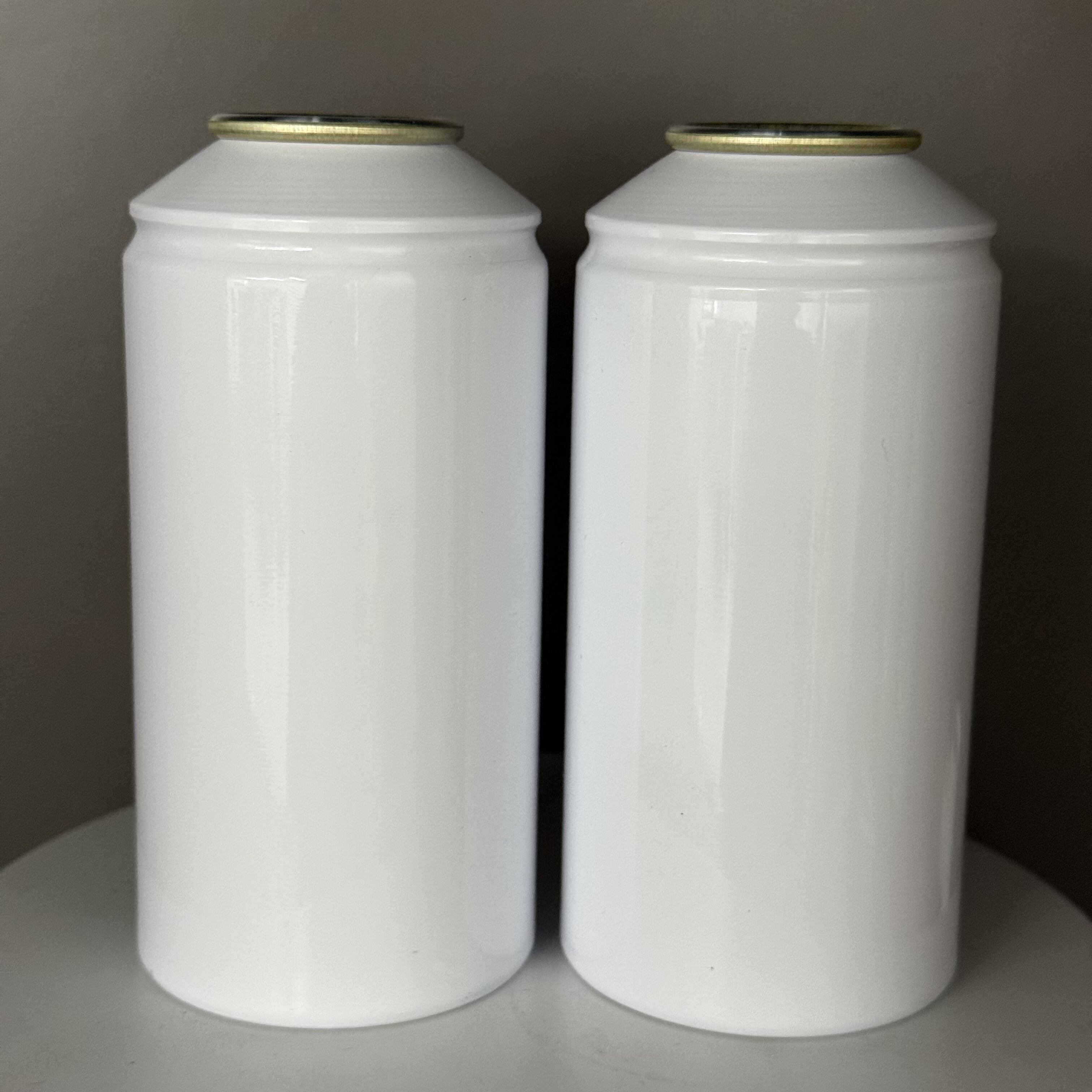
يلعب مورِّد علب الأيروسول المصنوعة من الألومنيوم دورًا محوريًّا في صناعة التغليف الحديثة، من خلال توريد حاويات متخصصة مُصمَّمة لتوزيع المنتجات تحت الضغط. ويقوم هؤلاء المورِّدون بتصنيع وتوزيع علب ألومنيوم خفيفة الوزن لكنها متينة، وتخدم قطاعاتٍ صناعية عديدة، بدءًا من منتجات العناية الشخصية ووصولًا إلى السلع المنزلية والتطبيقات automotive والحلول الصيدلانية. وتتمثل الوظيفة الأساسية لمورِّد علب الأيروسول المصنوعة من الألومنيوم في إنتاج حاويات عالية الجودة تحافظ على سلامة المنتج مع توفير آليات توزيع مريحة. كما يستخدم هؤلاء المورِّدون عمليات تصنيع متطوِّرة لإنشاء علب ألومنيوم متكاملة (بدون لحام) مقاومة للتآكل، وتحمي المحتويات من التلوث، وتضمن توصيل المنتج بشكلٍ متسق. وتشمل الميزات التقنية المدمجة في هذه الحاويات أنظمة صمامات دقيقة، وطلاءات متخصصة تضمن توافقها مع المنتجات، وقدرات هندسية محسوبة لتحمل الضغط. وعادةً ما يوفِّر مورِّد علب الأيروسول المصنوعة من الألومنيوم مجموعة متنوعة من أحجام العلب، ابتداءً من العلب الصغيرة المخصصة للسفر ووصولًا إلى التنسيقات الصناعية الأكبر حجمًا، لتلبية الاحتياجات المتنوعة للسوق. ويشمل عملية التصنيع تشكيل صفائح الألومنيوم، وتقنيات اللحام أو السحب بالتأثير (Impact Extrusion)، وتطبيق المعالجات السطحية، وبروتوكولات الاختبار النوعي الصارمة. ويتمسك هؤلاء المورِّدون التزامًا صارمًا بمعايير السلامة الدولية واللوائح البيئية، لضمان مطابقة المنتجات لمواصفات القطاع. وتشمل مجالات الاستخدام قطاعاتٍ متعددة، منها قطاع مستحضرات التجميل حيث تتطلب رذاذات الشعر ومستحضرات إزالة الروائح ومُنتجات التصفيف توزيعًا موثوقًا؛ والسلع المنزلية مثل معطِّرات الجو ومنظفات الأسطح ومبيدات الحشرات؛ والمنتجات automotive مثل مواد التشحيم والدهانات ورشات الصيانة؛ والأدوية الأيروسولية المستخدمة في علاجات الجهاز التنفسي والأدوية الموضعية؛ وتطبيقات قطاع الأغذية مثل رشاشات الطهي وعلب الكريما المخفوقة. وبفضل مرونة الألومنيوم كمادة، يصبح هؤلاء المورِّدون شركاءً أساسيين للعلامات التجارية التي تبحث عن حلول تغليف مستدامة وقابلة لإعادة التدوير وفعّالة، تحافظ على جودة المنتج وتوفر للمستهلك النهائي طرق تطبيق مريحة عبر عدد لا يُحصى من التطبيقات الاستهلاكية والصناعية.

 EN
EN